How to Make an Osamason Type Beat That Actually Hits
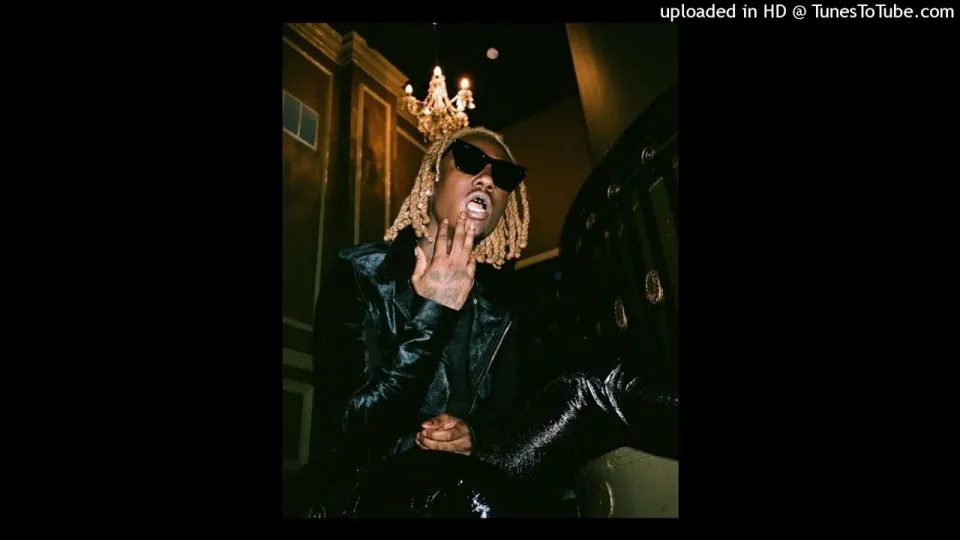
Video: [free] osamason type beat - thug
· based on the channel saikethefirst prod
An Osamason type beat is a dark, distorted trap instrumental built around eerie melodic loops, hard-clipped 808s and restless hi-hat patterns, usually sitting between 140 and 160 BPM. The fastest way to get one is to study a reference like "thug" by saikethefirst prod, which runs at 155 BPM, and then rebuild its core elements in your DAW. You can grab that beat free for non-profit use via the free download and license page, and buy it if you plan to put your song on streaming services.
What Defines the Osamason Type Beat Sound
The Osamason type beat is less a fixed template than a cluster of production habits shared by the underground scene around Osamason, Nettspend and their collaborators. Producers searching for an "osamason type beat" usually want the same handful of ingredients: a melancholic or unnerving melody, drums that feel slightly too loud, and low end that behaves more like a distortion pedal than a subwoofer.
Key traits to aim for:
- Tempo in the 140–160 BPM range, often with double-time hats that make it feel faster than the number suggests.
- Melodic loops that are simple, repetitive and slightly detuned — plucked bells, cheap keyboard presets, pitched-up vocal chops or a lone guitar line drowned in reverb.
- 808s that clip and growl rather than sit cleanly under the mix.
- Snare and clap layers that are short, dry and pushed forward.
- A structure that leaves big empty gaps for an artist to shout into, rather than a dense wall of sound.
The 155 BPM choice in "thug" is a good example: fast enough for energetic delivery, slow enough that the 808 pattern still has room to breathe.
Step-by-Step: Building the Beat From Scratch
Start with the melody, because in this style the loop carries the entire mood and everything else is arranged around it. A common workflow looks like this:
- Set your project to 155 BPM and pick a minor key — natural minor or harmonic minor both work well.
- Write a 4- or 8-bar loop using two to four notes. Repetition matters more than complexity.
- Detune the main instrument slightly (a few cents) and add reverb plus a touch of saturation so it sounds worn rather than clean.
- Layer a second, quieter counter-melody or a pitched vocal chop an octave up for texture.
- Program the 808 pattern next, following the root notes of the loop but adding slides and pitch bends between hits.
- Add drums: a punchy kick, a short snare or clap on the backbeat, and hi-hat rolls that switch between straight and triplet subdivisions.
- Arrange into intro, main loop, a stripped-back section and a final loop, keeping each section short.
If you only have time for one thing, spend it on the 808. In this subgenre the low end is the signature — a clean, polite sub will make an otherwise correct beat sound generic.
Mixing and Sound Design Choices That Sell the Style
The mix in an Osamason type beat is intentionally rough, but "rough" still has to be controlled or the track turns into noise. Distortion should be applied in stages rather than dumped on the master bus.
Practical moves:
- Use a soft clipper or saturation plugin on the 808 channel, then a second stage on the 808 bus, so the harmonics build up gradually.
- High-pass the melodic loop around 100–150 Hz to leave space for the low end.
- Keep the snare and clap in the same frequency pocket and treat them as one sound.
- Sidechain the 808 to the kick lightly, or simply avoid stacking them on the same beat.
- Add subtle tape or console emulation across the drum bus for glue.
- Leave the top end slightly dull on the melody and slightly bright on the hats — that contrast is what makes the drums feel aggressive.
A useful test is to listen on phone speakers. If the melody and the snare pattern still read clearly there, the balance is probably close.
Tags, Search Terms and How Producers Get Found
Type beat titles are a search strategy as much as a description, and the tags around this style show how the audience actually looks for it. Alongside "osamason type beat" you will see queries like free for profit nettspend osamason type beat, nettspend type beat, nocturnal type beat, ok type beat and cxо type beat. These are all variations on the same listener intent: someone wants a dark, distorted instrumental to rap over.
For producers, the practical lesson is to cover the adjacent names without spamming. A title that names the primary artist plus one or two closely related ones tends to perform better than a long list. The description for "thug" follows this pattern, pairing the main tag with a handful of related searches and a clear note about licensing.
Licensing, Credits and Free-for-Profit Rules
Free type beats usually come with two separate permissions, and confusing them is the most common mistake artists make. Non-profit use typically means practice, demos, freestyles and videos that are not monetised. Profit use means releasing the song on streaming platforms, selling it, or monetising the video.
The terms attached to "thug" are explicit: free for non-profit, buy the beat to put your song on streaming services, and credit prod. saike, s4. That credit line matters — producers in this scene track placements closely, and a missing credit can turn a routine release into a takedown request.
A simple checklist before you release anything:
- Confirm which license tier you need.
- Purchase the beat if the track is going to streaming services.
- Add the credit exactly as requested in the track description or metadata.
- Keep your receipt or license file in case a distributor asks for proof.
Common Questions From Artists Using These Beats
Most of the uncertainty around type beats is practical rather than creative. Artists want to know whether they can monetise a free download, how fast they should be writing, and whether the beat will fit their vocal range. On the production side, the recurring question is how much of the mix to leave unfinished so the vocal has room.
A few rules of thumb help. Write to the beat within a day or two of downloading it, while the mood is still fresh. Record with the beat slightly quieter than feels natural, then bring it up in the mix. And if a beat is tagged as free for non-profit, treat any monetised release as a separate project that needs a license.
Useful Links
- Free download and license purchase: https://bsta.rs/EFsZOv
- Producer Instagram: https://www.instagram.com/saikethefirst
- Reference track: [free] osamason type beat - thug by saikethefirst prod, published on 14 October 2026
Final Thoughts on Building This Sound
The Osamason type beat formula rewards restraint: one strong loop, a distorted 808 that carries the low end, and drums that are loud without being cluttered. Working from a 155 BPM reference like "thug" gives you a concrete tempo and arrangement to measure yourself against, and the free-for-non-profit terms make it easy to experiment before committing to a license. If you want to release something properly, buy the beat through the download page and credit prod. saike, s4 as requested. This breakdown was put together around the work of the channel saikethefirst prod, whose catalogue is a solid starting point for anyone studying this corner of underground rap production.
Key takeaways
- Reference track: "thug" by saikethefirst prod runs at 155 BPM and is credited to producers saike and s4lierri.
- The beat is offered free for non-profit use, with a paid license required for streaming releases.
- Osamason's sound sits in the plugg/rage lane: distorted 808s, eerie melodic loops and clipped, aggressive drums.
- Type beat tags around this style include nettspend, cxо, nocturnal and ok type beat searches.
- Credit format requested by the producer: prod. saike, s4.
Source: [free] osamason type beat - thug · Markdown version
Questions & answers
Can I release a song on Spotify using a free Osamason type beat?
Not with a free-for-non-profit license. Free downloads in this style are typically limited to practice, demos and non-monetised videos. To distribute to streaming services you need to buy the beat and follow the credit instructions, such as crediting prod. saike, s4 on the "thug" instrumental.
What BPM should an Osamason type beat be?
Most tracks in this lane sit between 140 and 160 BPM. The reference beat "thug" is set at 155 BPM, which is a good middle ground because the 808 pattern still has space while the hi-hats can run in double time.
Do I have to credit the producer if I use the beat for free?
Yes. Even non-profit use usually requires a credit, and the terms on "thug" ask for prod. saike, s4. Put the credit in your video description or track metadata so it is visible wherever the song appears.
How do I make my own beat sound like Osamason instead of using a type beat?
Focus on three things: a simple, slightly detuned melodic loop in a minor key, an 808 that clips and growls through staged saturation, and short, forward snare and clap layers. Keep the arrangement sparse so a vocalist has room to shout into the gaps.